


Mobile application / Battery companion app
Bluetooth Battery App Development: A Rebuilt Companion App For RV Batteries
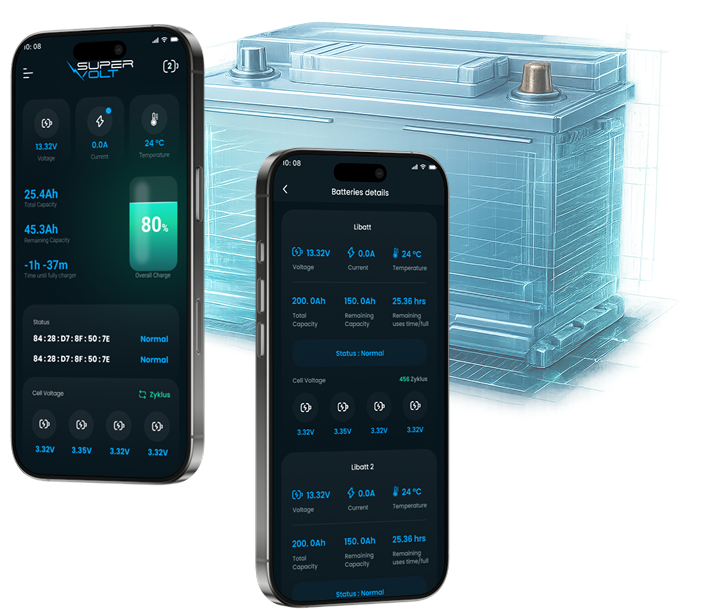
New iOS and Android companion apps for lithium RV batteries, built from scratch on a modern foundation.
The opportunity
A legacy app
The app read charge, voltage and temperature from the battery management system, but ran on a tightly coupled legacy code base and did not match how RV owners use it.
The solution
Rebuilt, ready to grow
Indeema built new iOS and Android apps with a refined interface and a structure that can take new features as the battery firmware evolves.
- 01Bluetooth LE link
- 02Battery status
- 03Multiple batteries
- 04New iOS and Android apps
- 05Firmware update flow
The impact
What changed for RV owners
- Legacy code baseNew apps built from scratch
- Interface not suited to ownersRefined, clearer interface
- Hard to add featuresFoundation for new device features
Support for new battery firmware capabilities continues to be added in later releases.
Engineering judgement
Decisions that shaped the product
Rebuild rather than extend
After a focused code review, Indeema concluded that extending the legacy architecture would be impractical and more expensive than rebuilding, and implemented the app from scratch.
Isolate legacy battery logic
Logic for older batteries was encapsulated in isolated modules so it could be updated in a targeted way without reworking the rest of the app.
Separate UI, network and BLE layers
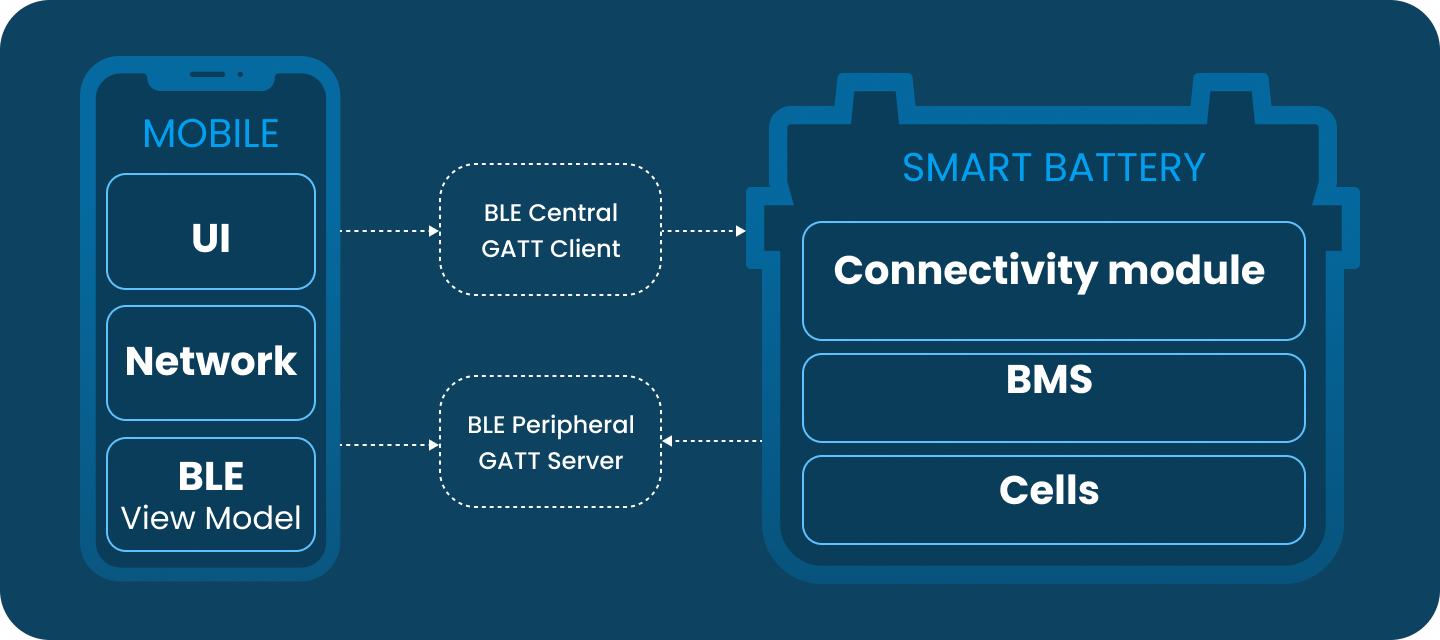
The app is structured into UI, network and BLE view-model layers, keeping Bluetooth communication separate from presentation.
Design from usage context
UI changes were driven by who uses the app and where, rather than by the original screen layout.
Built with
Swift · Kotlin · Bluetooth Low Energy · GATT
More case studies
All case studies ↗
Building equipment / Lift energy and usage monitoring
A lift energy and trip monitor, from meter interface to web portal
Oil & gas field equipment / SCADA platform extension
Extending a SCADA product with cloud monitoring and gateway updates
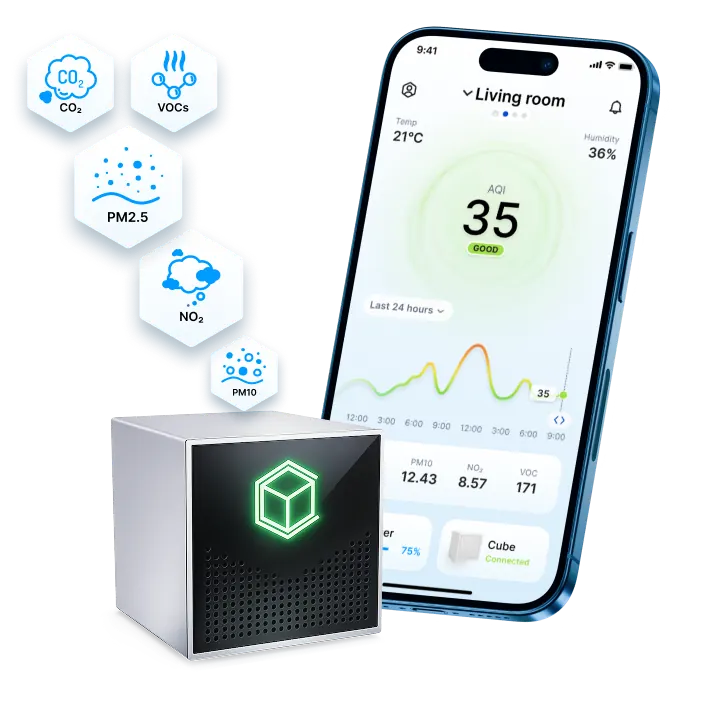
Smart home / Indoor air monitoring device
Building an indoor air monitor and companion app across two device generations
A comparable product problem?