


Connected Product Modernization
Modernize existing connected products without starting over
Your connected products are already in use. Aging firmware, obsolete electronics, unreliable updates and changing integration requirements can put their future at risk.
Indeema helps manufacturers modernize existing devices across hardware, firmware, connectivity, applications and cloud.
For manufacturers with products already built, sold or deployed
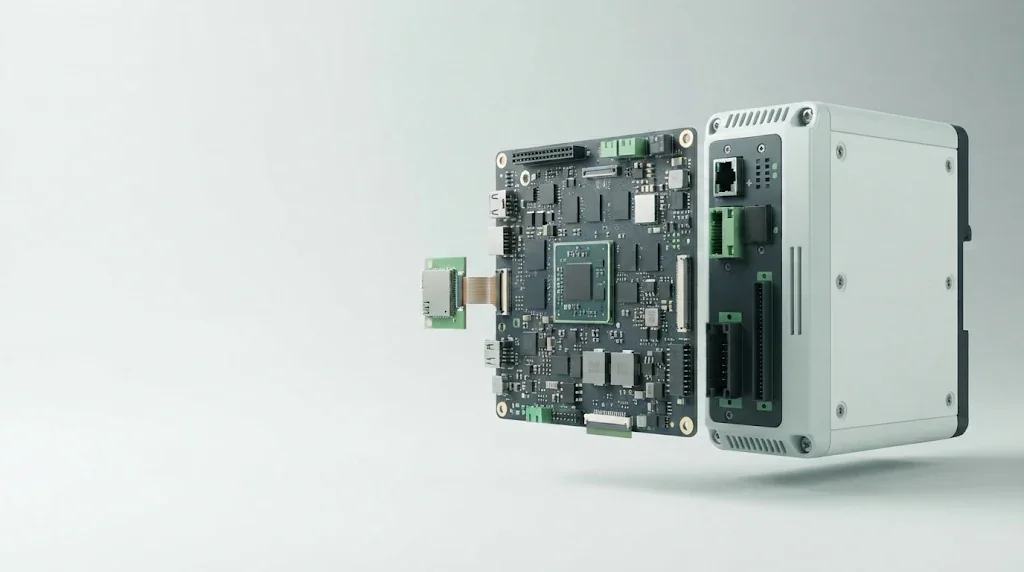
Where modernization starts
The product is working. The technology is aging
Most modernization work begins with one of these situations, usually while the product is still selling.
Legacy firmware nobody wants to touch
The code still runs, but its authors have moved on, the toolchain is dated and every change feels risky.
New features wait, and fixes take longer than they should.
Components reaching end of life
A microcontroller, radio or sensor is discontinued or on allocation, and the board was designed around it.
Production plans depend on a part you can no longer buy.
Updates that are not safe to send
Over-the-air updates fail on weak connections, or there is no reliable way to recover a device when they do.
Every release puts devices in the field at risk.
Connectivity that has to move
A network is being retired, a protocol is no longer supported, or the product needs a different radio.
Installed devices risk going offline.
Apps and cloud behind the hardware
The companion app or back end no longer matches the product line, new phone OS versions, or the systems your customers use.
A sound device sits behind software that holds it back.
What we modernize
Three workstreams, one product
Modernization can stay in one workstream or cross all three. The scope follows what has to change, not a fixed package.
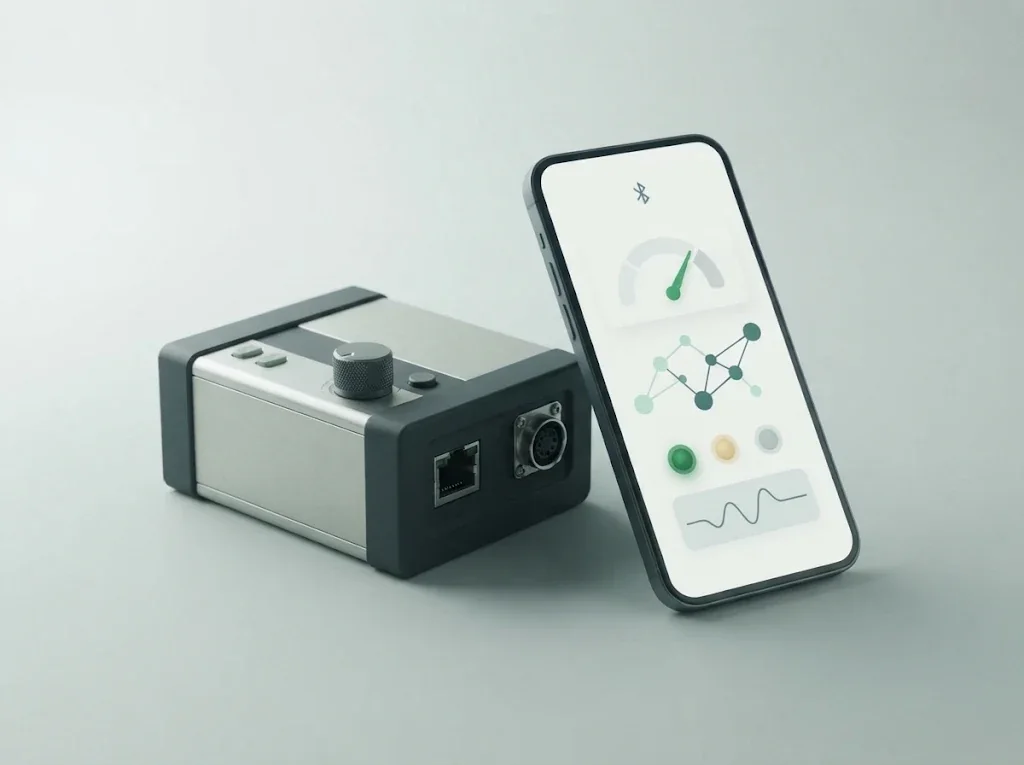
Device software and applications
Keep the product useful to the people who use it, without redesigning hardware that still works.
- BLE and other connected interfaces
- Companion mobile and web applications
- Compatibility across hardware generations
- Back-end and enterprise system integrations
- New product functions on existing devices
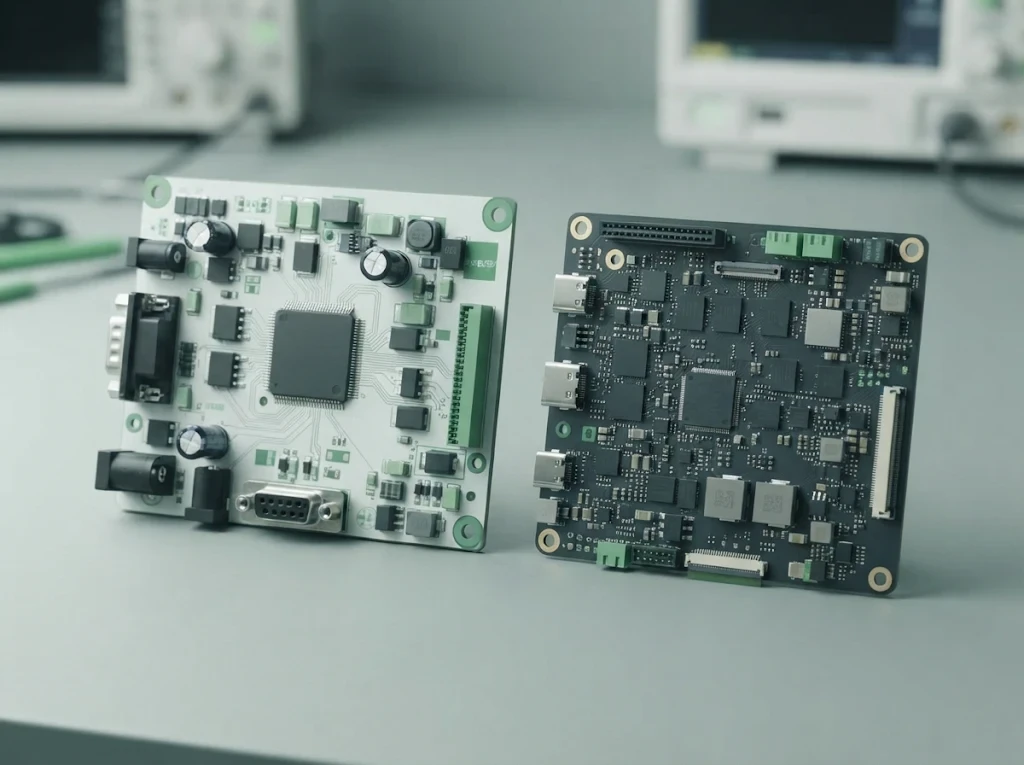
Embedded systems and electronics
Change what runs inside the device, and the board it runs on, while the product stays in production.
- Firmware assessment and modernization
- Redesign of legacy codebases
- Hardware revisions
- Replacement engineering for obsolete components
- MCU and RTOS migration where the hardware allows it
- OTA update and recovery mechanisms
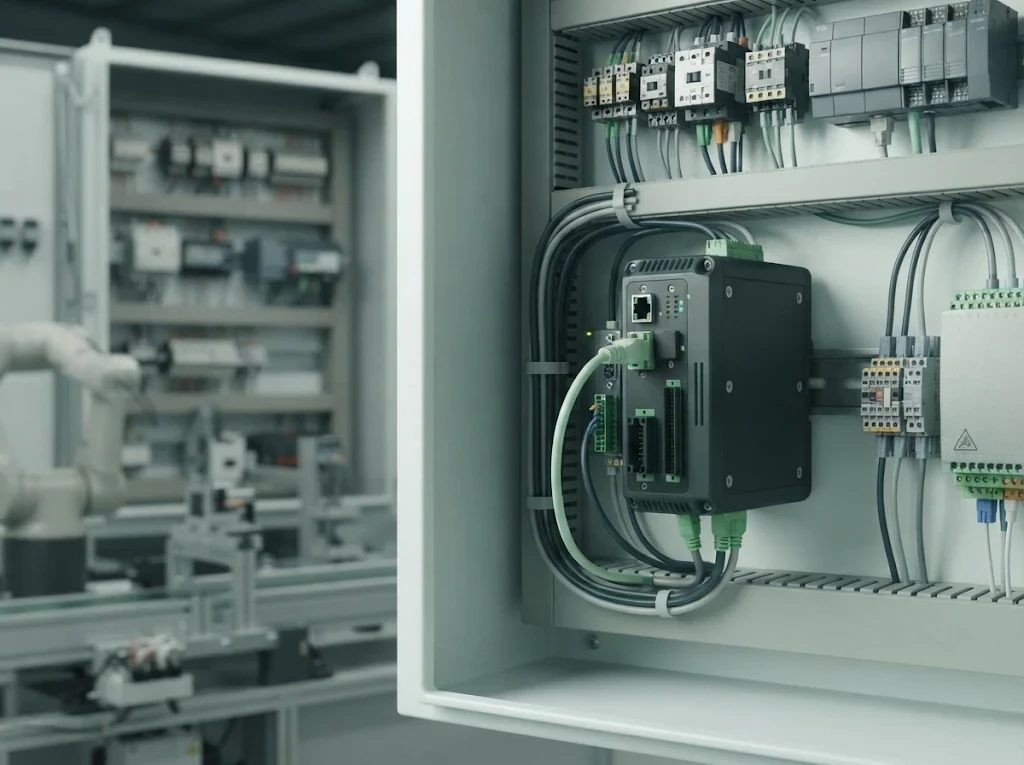
Connected infrastructure and intelligence
Connect equipment that is already installed to the data, diagnostics and decisions it was never designed for.
- Device-to-cloud integration
- Industrial gateways
- Integration with legacy systems
- Data acquisition
- Monitoring and diagnostics
- Edge AI where the use case supports it
Why it is never only firmware
Why modernization requires more than firmware
A connected product is a chain. Change one link and the links beside it have to keep working, including on devices that cannot all be updated at once.
- Hardware
A replaced part changes timing, power and the drivers above it.
- Firmware
New firmware must still talk to every app and cloud version in use.
- Connectivity
A new radio or network changes pairing, coverage and update paths.
- Applications
An app must keep working with devices from several generations.
- Cloud
Back-end changes reach devices that cannot all be updated at once.
- Operations
Support, provisioning and field updates carry every change to customers.
That is why we plan a change across the layers it touches before we write code for any of them.
Evidence from real engineering
Products that already existed, and what changed
Device app modernization
RV battery systems
- The challenge
- An existing BLE app for battery management ran on a legacy, tightly coupled codebase, and the battery vendor’s firmware and hardware documentation was incomplete.
- What Indeema did
- Code review, reverse engineering and firmware validation in practice, then a clean rebuild of the app.
- What the case page shows
- The new app supports newer iOS versions while still working with batteries already in use, and Indeema continues feature updates and maintenance.
Embedded modernization
Electric bike telemetry
- The challenge
- The client had telemetry boards in more than one hardware revision and an existing embedded framework, but the firmware offered only basic functions.
- What Indeema did
- RTOS adoption on the chosen MCU, a new real-time embedded application, cellular connectivity and device firmware upgrades.
- What the case page shows
- The new application replaced the basic code, queued data through coverage gaps, and was designed so a firmware upgrade would not brick the unit when the connection drops.
Legacy system integration
SCADA unit monitoring
- The challenge
- An existing SCADA system and desktop application relied on a complicated, time-consuming firmware installation and configuration process.
- What Indeema did
- A web IIoT application for the existing system, gateway and industrial PC scripting, and automated device provisioning.
- What the case page shows
- Firmware installation, configuration and network connection moved into one tool, and industrial PC nodes gained remote firmware updates.
How an engagement starts
From the product you have to the product you need
Understand the existing system
We review the code, the build, the hardware, the documentation you have and how the product behaves in the field. Where documentation is missing, we measure and reverse-engineer what we need.
Define the modernization scope
Together we decide what changes and what stays: which layers, which hardware generations must remain supported, and how installed devices will be updated.
Engineer and validate
We make the change in increments, test against agreed acceptance criteria on real hardware, and keep devices in the field updatable throughout.
Support the next product stage
After release we can hand over to your team, keep maintaining the product, or continue to the next revision.
Why Indeema
Built for products that are already in the field
One team across the product
Hardware, firmware, connectivity, apps and cloud engineers work on the same change, so a fix in one layer is checked against the others.
Physical products, not just software
Our project pages show work on batteries, vehicles, elevators and industrial equipment, tested on the hardware it runs on.
Comfortable with what already exists
Many projects start from a client’s existing boards, codebase or back end. We build on them where that is sound and say so when a rebuild is the cheaper path.
Engineering you can audit
Code review, acceptance criteria, version control and continuous integration are part of the work, and handover is planned from the start.
FAQ
Questions manufacturers ask before modernizing
Can Indeema work with an existing firmware codebase?
Yes. We start with a review of the code, the toolchain and the hardware it runs on, then extend, refactor or port it. If extending it would cost more than replacing parts of it, we explain why before any change is made.
Can we modernize applications without redesigning hardware?
Often, yes. A new companion app or back end can keep working with devices already in the field, as long as the device protocol is understood. We confirm that against real devices before committing to the approach.
What if original product documentation is incomplete?
That is common with products that have changed hands or suppliers. We combine the documentation you have with measurement, reverse engineering and tests on real units, and record what we learn so your team keeps it.
Can different hardware generations remain compatible?
In many cases. We design the firmware, app and cloud changes so that supported generations keep working, and agree with you which older versions are retired and how. Where compatibility is not technically possible, we say so early.
How does a modernization engagement begin?
With a conversation about your product, followed by a review of the existing system. That review defines the scope, the risks and the order of work, so you can decide how to proceed with the facts in front of you.
Your product already has a future worth protecting
Tell us what the product does today, what has to change and what must keep working.
Discuss your product modernizationWhat happens next. Our engineering team reads your enquiry and replies by email. The first conversation covers the product goal, what exists today and the decision you need to make next. If the problem needs it, a discovery phase follows; it does not commit you to building with Indeema. How a first engagement works